
How to Digitize for Different Fabrics (Cotton, Polyester, Denim & Leather)
Embroidery digitizing is not a one-setting-fits-all process. Every fabric reacts differently to stitches, tension, and density. That is why professional digitizers adjust settings based on fabric type to avoid puckering, thread breaks, and design distortion. At Unique Digitize, every file is carefully optimized for fabric behavior to ensure smooth and professional embroidery results.
You can explore our full services at Embroidery Digitizing Services.
Digitizing for Cotton
Cotton is one of the most stable fabrics for embroidery. It holds stitches well and works for most design types. However, lightweight cotton still needs proper settings to avoid movement during stitching.
For best results, digitizers use balanced stitch density and proper underlay techniques. This keeps designs sharp without making the fabric stiff. Cotton is commonly used for uniforms, logos, and casual wear.
You can learn more about logo work at Logo Digitizing Services and placement techniques like Left Chest Digitizing.
Digitizing for Polyester
Polyester is widely used in sportswear and performance clothing, but it behaves differently from cotton. It stretches slightly and can cause puckering if stitch density is too high.
For polyester fabrics, digitizers reduce stitch density and carefully control underlay. This helps maintain design shape during movement and washing. Pull compensation is also important for clean and smooth embroidery results.
Related advanced techniques include Custom Digitizing Services and special effects like 3D Puff Embroidery Digitizing.
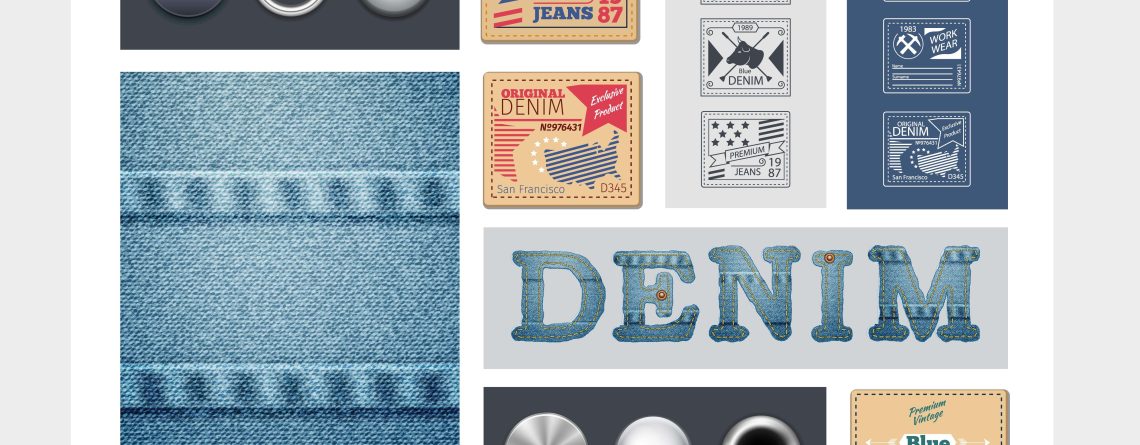
Digitizing for Denim
Denim is a thick and durable fabric that works well with bold embroidery designs. However, too much stitch density can make it stiff and heavy.
For denim jackets and jeans, digitizers use stronger underlay and controlled fill patterns. Proper stitch direction also helps reduce stress on threads and improves durability of the design.
You can explore more services like Jacket Back Digitizing and visit the Unique Digitize for more solutions.
Digitizing for Leather
Leather is one of the most sensitive materials in embroidery. Every needle punch creates a permanent hole, so mistakes cannot be corrected easily.
Digitizers must use low stitch density, minimal fills, and simple designs. Satin stitches and clean outlines work best on leather surfaces. Over-digitizing can damage the material and ruin the final product.
Why Fabric-Based Digitizing Matters
Each fabric requires a different digitizing approach. Cotton is flexible, polyester needs balance, denim requires strength control, and leather demands precision. Without adjusting settings, embroidery quality can drop significantly.
At Unique Digitize, every design is manually adjusted based on fabric type, stitch behavior, and machine requirements. This ensures clean, production-ready embroidery every time.
Learn more helpful tools and services like Vector Art Services, Contact Us for custom support.





Leave a Reply